

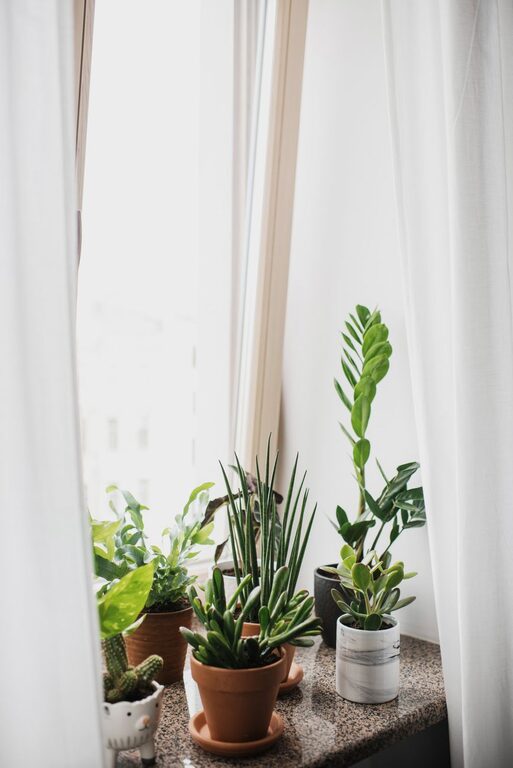
Plants are one of the easiest ways to refresh your home. They add color, texture, and a sense of life without requiring a major redesign. Whether you live in a small apartment or a spacious house, a few well-chosen plants can make rooms feel more welcoming and complete.
The key is to choose plants that suit your space, arrange them with purpose, and create a care routine you can maintain. With a little planning, you can use greenery to improve the look and feel of your home throughout the year.
Start by Looking at Your Space
Before buying plants, take a tour of your home. Notice which rooms feel empty, dark, or visually unbalanced. These areas may benefit from a touch of greenery.
Consider the following:
– How much natural light each room receives
– The temperature and humidity in each area
– Available floor, shelf, and tabletop space
– Existing colors, furniture, and decor
– Areas that are easy to reach for regular care
A sunny windowsill may be ideal for a plant that needs bright light, while a shaded bookshelf may be better suited to a low-light variety. Matching each plant to the location makes care easier and helps the space look intentional.
Choose Plants That Fit Your Lifestyle
The best plants are not always the most unusual. Choose varieties that match the amount of time and attention you can provide.
If you are new to plant care, begin with easy-care options such as:
– Snake plants
– Pothos
– ZZ plants
– Spider plants
– Cast iron plants
– Peace lilies
These plants can be attractive choices for different areas of the home, but every plant has its own needs. Check the care label or ask a garden center for guidance before making a purchase.
If you travel often or have a busy schedule, avoid building a collection that requires frequent watering. A small group of sturdy plants will usually look better than a large collection that is difficult to maintain.
Use Plants to Add Color and Texture
Plants come in many shades of green, from pale and silvery tones to deep, rich colors. Their shapes and textures can also create visual interest.
For example, broad leaves can soften a room with sharp lines, while tall, narrow plants can add height beside a cabinet or chair. Trailing plants can bring movement to a shelf or hanging planter.
Try combining different forms:
– A tall plant for height
– A full, rounded plant for volume
– A trailing plant for movement
– A small plant for detail
You do not need many varieties to create an appealing display. Two or three plants with different shapes can make a stronger impression than a crowded collection of similar plants.
Refresh a Room With a Plant Grouping
Grouping plants together can create a natural focal point. Place plants at different heights so each one is easy to see. You can use a plant stand, a small stool, a sturdy table, or a stack of decorative boxes to create levels.
When arranging a group, keep these ideas in mind:
Vary the Heights
Place the tallest plant at the back or to one side. Add medium-sized plants in the center and smaller plants near the front. This arrangement creates depth and keeps the display from looking flat.
Repeat Colors
Choose pots or planters that connect with colors already found in the room. For example, white planters can complement light walls, while terracotta can add warmth to neutral furniture.
Leave Some Space
Avoid placing every plant directly next to another. A little space between containers allows each plant to stand out and keeps the arrangement from looking cluttered.
Create Balance
A large plant on one side of a room can be balanced by a smaller plant, lamp, or piece of furniture on the other side. Balance does not have to be perfectly symmetrical; it simply helps the room feel settled.
Make Windows and Shelves More Interesting
Windowsills, open shelves, and bookcases are natural places for small plants. They can fill unused areas and add softness to spaces that contain many hard materials.
Use small pots on a kitchen windowsill, or place a trailing plant on the top shelf of a bookcase. In a bathroom, choose plants that can handle the room’s light and moisture levels. On a desk, a compact plant can add color without taking up much working space.
Be careful not to block windows, air vents, or important storage areas. Plants should enhance your home, not make everyday tasks more difficult.
Choose Planters That Match Your Style
Planters are part of your decor, so choose them as carefully as you choose other accessories. A simple plant can look completely different depending on its container.
Consider these planter styles:
– Ceramic pots for a clean, classic appearance
– Terracotta pots for a warm, natural look
– Woven baskets for relaxed texture
– Metal planters for a modern feel
– Hanging planters for areas with limited floor space
Make sure every decorative container has proper drainage, or place the plant in a nursery pot inside the outer container. This helps prevent excess water from collecting around the roots.
You can also refresh old containers with paint, fabric, or simple labels. Reusing planters is an easy way to update your decor while avoiding unnecessary purchases.
Add Plants to Unexpected Areas
Plants do not need to be limited to living rooms and windowsills. Look for small opportunities throughout your home.
A narrow entryway table can hold a compact plant in a decorative pot. A home office can benefit from a tall plant placed in an empty corner. A dining area may feel more inviting with a simple green centerpiece.
You can also use a single plant to draw attention to a feature you want to highlight, such as a reading chair, artwork, or console table. This creates a visual connection between the plant and the surrounding decor.
Keep Your Plant Display Looking Fresh
A small amount of regular care helps plants remain attractive and healthy. Set aside a few minutes each week to inspect your collection.
A basic routine may include:
– Checking the soil before watering
– Removing dry or damaged leaves
– Wiping dust from large leaves
– Rotating pots for even growth
– Checking for insects or other problems
– Emptying excess water from outer containers
Avoid watering every plant on the same schedule. Soil, light, pot size, and plant type all affect how often watering is needed. The soil should generally be checked first rather than relying on a fixed calendar.
As plants grow, trim or rearrange them so they continue to fit the room. A plant that once looked perfect on a shelf may eventually need to move to the floor or a larger stand.
Refresh Your Home Seasonally
Changing your plant displays throughout the year can keep your home feeling new. In spring, add fresh green foliage or small flowering plants. During warmer months, move suitable plants closer to bright windows or outdoor areas, following their care needs.
In fall, pair plants with warm-colored planters, woven baskets, or seasonal textiles. In winter, use greenery to add life to rooms that may feel darker and more enclosed.
You do not need to replace your entire collection each season. Simply changing the arrangement, containers, or nearby accessories can create a noticeable difference.
Begin With One Small Change
Refreshing your home with plants does not require a large budget or a complete decorating plan. Start with one plant for an empty corner, a small grouping for a shelf, or a new planter for a plant you already own.
Choose plants that suit your light and routine, arrange them at different heights, and use containers that complement your style. With simple care and occasional rearranging, plants can make your home feel more colorful, comfortable, and connected to nature.