

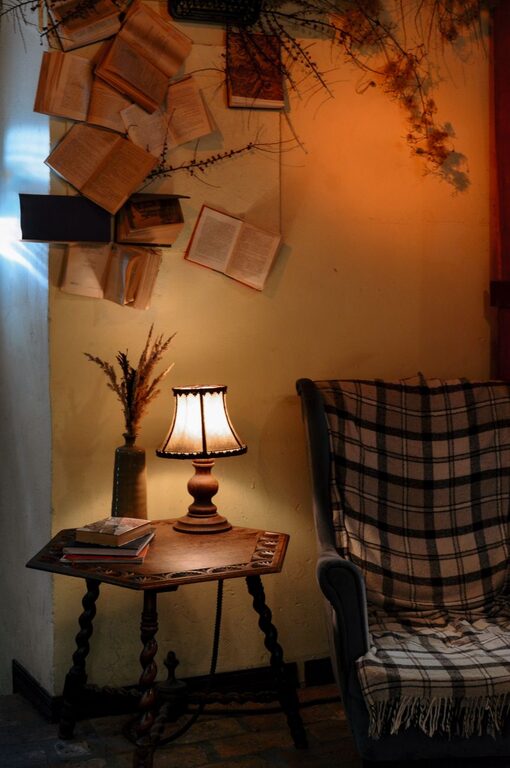
A cozy reading corner can turn an unused part of your home into a welcoming place to relax, focus, and enjoy your favorite books. You do not need a large room or an expensive makeover. With the right location, comfortable seating, good lighting, and a few personal details, almost any space can become a pleasant reading retreat.
Whether you have an empty corner in the living room, a spot beside a bedroom window, or a small area under the stairs, the goal is to create a space that feels comfortable and inviting. Here is how to design a reading corner that suits your home and your everyday routine.
Choose the Right Location
Start by looking around your home for a space that is quiet and easy to use. A reading corner should feel separate from busy areas, but it should also be convenient enough that you will want to use it regularly.
Consider these possible locations:
– A corner beside a window
– An unused area in a bedroom
– A space next to a bookshelf
– A quiet section of the living room
– A wide hallway or landing
– A corner of a home office
– A spot beneath a staircase
Natural light is helpful during the day, especially if you enjoy reading in the morning or afternoon. However, avoid placing your chair where direct sunlight creates glare on the pages or makes the area uncomfortably warm.
Pay attention to noise, too. A corner near a television, kitchen, or main walkway may be distracting. If you do not have a completely quiet space, use a small rug, curtains, or nearby furniture to help create a more sheltered feeling.
Select Comfortable Seating
Comfort is the most important feature of a reading corner. Choose seating that supports your back and allows you to sit for a reasonable amount of time without feeling cramped.
Seating options to consider
– A compact armchair
– A cushioned lounge chair
– A small rocking chair
– A chaise lounge
– A floor cushion with back support
– A padded bench beneath a window
– A loveseat for shared reading
Before buying anything, measure the available area. Make sure there is enough room to sit down, stand up, and move around the chair comfortably. Leave space for a side table or lamp if you plan to add one.
A chair with arms can make the space feel more comfortable and defined. If your preferred chair is firm, add a soft cushion or lumbar pillow. A footstool can also improve comfort by giving you a place to rest your feet.
If you enjoy changing positions while reading, consider a chair with a deeper seat or an adjustable back. For smaller spaces, a simple upholstered chair may be a better choice than a large recliner.
Add Soft Textiles
Soft textures help make a reading corner feel warm and relaxing. Even a basic chair can become more inviting with a few carefully chosen textiles.
Try adding:
– A cozy throw blanket
– One or two supportive pillows
– A small area rug
– A seat cushion
– Fabric curtains or a nearby window treatment
A rug can define the reading area, especially if the corner is part of a larger room. It also adds softness underfoot and can help reduce echoes. Choose a size that fits beneath the chair and nearby table, or place a small rug directly in front of the seating.
When selecting colors, consider the existing style of the room. Neutral shades such as cream, gray, tan, and soft green can create a calm atmosphere. Warm colors such as rust, mustard, or muted blue can add character without overwhelming the space.
Plan the Lighting
Good lighting makes reading easier and helps the corner feel comfortable at different times of day. Use a combination of natural and artificial light whenever possible.
A floor lamp is a practical option because it can provide focused light without taking up table space. A table lamp works well if you have a side table nearby. Look for a lamp with an adjustable shade so you can direct light toward your book.
Helpful lighting tips
– Place the lamp beside or slightly behind the chair.
– Avoid positioning a light directly behind your head.
– Choose a warm, comfortable light for an inviting atmosphere.
– Make sure the bulb is bright enough for easy reading.
– Use a dimmer if you want more control over the mood.
If your reading corner is near a window, use curtains or shades to control glare. Soft window coverings can also make the area feel more private and peaceful.
Include Simple Book Storage
Keeping books close by makes the reading corner more useful. You do not need a full-size bookcase. Choose storage that matches the size of the space and the number of books you want to keep nearby.
A narrow bookcase can fit beside a chair, while a small floating shelf can display a few favorites without using floor space. A basket is another flexible option for storing books, magazines, notebooks, or reading glasses.
Other storage ideas include:
– A small rolling cart
– A wall-mounted shelf
– A storage ottoman
– A side table with a lower shelf
– A built-in window seat
– A stack of sturdy decorative boxes
Avoid filling the area with too many books or accessories. A reading corner should feel organized rather than crowded. Keep your current books within easy reach and store the rest elsewhere if necessary.
Add a Small Side Table
A side table gives you a convenient surface for a cup of tea, a reading lamp, your phone, or a notebook. It does not need to be large. A compact table that fits next to the chair is often enough.
Choose a table that is close to the height of the chair arm. This makes it easier to place and pick up items without stretching. If space is limited, consider a C-shaped table that can slide partly beneath the chair.
For a more flexible setup, use a small stool or nesting table. These pieces can be moved when needed and may serve other purposes elsewhere in the home.
Personalize the Space
The most enjoyable reading corners reflect the person who uses them. Add a few items that make the space feel personal, but avoid creating visual clutter.
You might include:
– A favorite piece of artwork
– A framed print
– A small plant
– A candle or decorative object
– A reading journal
– A soft basket
– A meaningful photograph
Plants can add color and life to the space. Choose a low-maintenance variety if the corner does not receive much light. If you prefer not to care for a live plant, a realistic artificial plant can provide a similar decorative effect.
You can also create a simple theme. For example, natural wood, woven baskets, and green accents can give the corner an earthy feel. Soft fabrics and pale colors can create a lighter, calmer look.
Keep the Corner Practical
A beautiful reading corner is more likely to become part of your routine if it is easy to maintain. Keep the area free of unnecessary items and return books to their storage space when you are finished.
If you often read at night, place a small basket nearby for blankets or personal items. If you take notes, keep a pen and notebook in the side table. A small charging station can be useful if you listen to audiobooks or use an e-reader.
Make sure cords are safely placed and do not create a tripping hazard. Leave enough room around the chair to move comfortably, especially in a shared living space.
Create a Reading Routine
Once your corner is ready, make it part of your daily or weekly routine. Set aside a few minutes to read after breakfast, before bed, or during a quiet afternoon break.
You can make the habit more enjoyable by keeping a short list of books you want to read. Rotate the books in your corner based on the season, your interests, or your current mood.
The best reading corner is not necessarily the largest or most stylish one. It is a space that feels comfortable, works well in your home, and encourages you to slow down. With thoughtful choices and a few personal touches, even a small unused corner can become a favorite place to read and relax.