

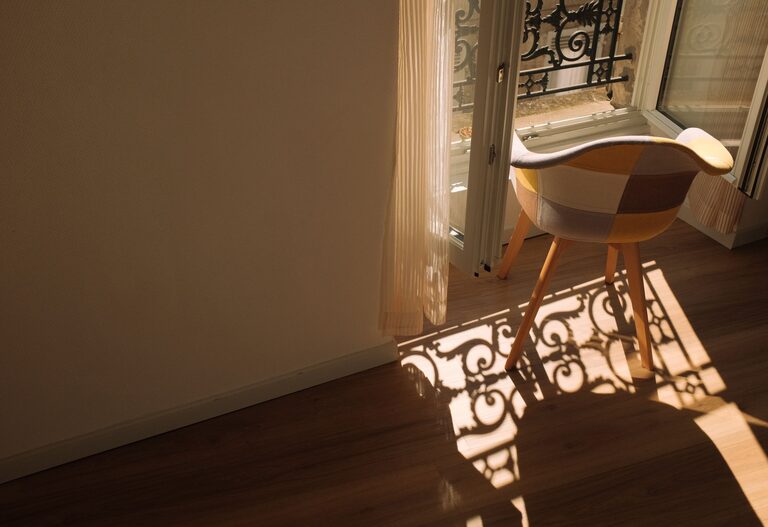
A dark room can feel cozy, but it may also seem smaller, colder, or less inviting than you would like. The good news is that you do not need a major renovation to make the space feel brighter. A few thoughtful updates to the walls, lighting, windows, furniture, and accessories can make a noticeable difference.
Whether you are working with limited natural light or simply want a fresher atmosphere, these quick ideas can help you brighten a dark room without making it feel plain.
1. Start With a Light Color Palette
Wall color has a major effect on how a room looks and feels. Light shades reflect more light around the space, while very dark colors can absorb it. Soft white, warm beige, pale gray, light blue, and gentle green are all useful choices.
For the best results, consider the room’s existing light before choosing a color. A room with cool, bluish daylight may look better with warm off-white or creamy beige. A room with warm artificial lighting can work well with soft gray, pale blue, or light taupe.
You do not have to repaint every wall. Try one of these smaller updates instead:
- Paint the wall opposite the main window in a light shade.
- Refresh a dark built-in shelf or cabinet with a brighter color.
- Use removable wallpaper with a light, simple pattern.
- Paint the ceiling a clean white to make it feel taller.
Before committing to a color, test a few samples at different times of day. Colors can look very different in morning, afternoon, and evening light.
2. Layer Several Light Sources
One ceiling fixture rarely provides enough light for an entire room. Instead, use a combination of light sources at different heights. This creates a more balanced and comfortable glow.
A useful lighting plan includes:
- General lighting: A ceiling fixture or central lamp that illuminates most of the room.
- Task lighting: A desk lamp, reading lamp, or under-cabinet light for specific activities.
- Accent lighting: A small lamp, wall light, or strip light that highlights shelves, artwork, or architectural details.
Place a floor lamp in a dark corner, add a table lamp to a sideboard, or use a pair of matching lamps to create balance. Choose bulbs with a warm or neutral white tone for a welcoming feel. If you want flexibility, install dimmable bulbs so you can adjust the brightness throughout the day.
A light fixture with a pale shade or reflective interior can also help direct more light into the room.
3. Use Mirrors to Reflect Light
Mirrors can make a room feel brighter and more open by reflecting both natural and artificial light. Position one across from or beside a window to help spread daylight through the space.
A large mirror can create the strongest effect, but several smaller mirrors can work just as well. Consider using:
- A full-length mirror leaning against a wall
- A round mirror above a console or dresser
- A group of small mirrors arranged as wall art
- Mirrored cabinet doors in a hallway or bedroom
Pay attention to what the mirror reflects. A mirror facing a blank wall may not add much brightness, while one reflecting a window, lamp, or light-colored artwork can make a greater impact. Keep the frame simple if the room already has many decorative elements.
4. Keep Window Treatments Light and Simple
Heavy curtains can block valuable daylight, even when they are fully open. Replace thick, dark panels with lightweight fabrics such as linen, cotton, or sheer material. White, cream, and other soft neutral curtains allow light to pass through while still adding privacy.
If you need more privacy at night, layer sheer curtains with light-filtering shades. This lets you control the room’s brightness without making the windows look crowded.
Also, keep the area around the windows clear. Move tall furniture, large plants, or decorative items that may block sunlight. Clean windows regularly, since dust and smudges can reduce the amount of light entering the room.
5. Choose Furniture With a Lighter Visual Weight
Large, bulky furniture can make a dim room feel even darker. Look for pieces with raised legs, open bases, or slim frames. These features allow more of the floor to remain visible and help light move through the room.
For example, you might replace a solid coffee table with one that has a glass or light wood top. A sofa with visible legs can feel less heavy than one that reaches all the way to the floor. Open shelving can also make a room feel airier than a tall, closed bookcase.
You do not need to replace all your furniture. Try rearranging what you already own:
- Move tall pieces away from windows.
- Place larger furniture against the darkest wall.
- Leave clear paths between doors, windows, and seating.
- Remove pieces that are rarely used and make the room feel crowded.
6. Add a Light-Colored Rug
A rug can brighten the lower half of a room and make the space feel more finished. Choose a design in a light neutral or a soft color that complements the walls and furniture.
Cream, ivory, pale gray, and light natural tones are easy to work with. If you prefer a pattern, look for one with an open design and plenty of lighter background color. A subtle pattern can hide everyday marks better than a solid light rug.
A rug with a low or medium pile may also help a room feel cleaner and less visually heavy. In a small space, choose a size that allows at least some of the main furniture to sit on it. This can make the layout feel more connected.
7. Add Reflective and Natural Materials
A few reflective surfaces can help bounce light around the room. Glass, polished metal, light wood, and ceramic accessories all add brightness without requiring a major change.
Try adding:
- A glass vase near a window
- A metal lamp with a soft finish
- Light wood picture frames
- A ceramic bowl in white or pale colors
- Furniture with a lightly polished surface
Use these materials in moderation. Too many shiny objects can make a room feel busy, while a few carefully placed pieces create a pleasant sense of light.
8. Brighten the Decor With Color and Greenery
Dark rooms do not have to be decorated entirely in white. Small touches of cheerful color can make the space feel more lively. Add pale yellow, soft coral, sky blue, or fresh green through pillows, blankets, artwork, or small accessories.
Plants can also bring energy to a room. If natural light is limited, choose varieties suited to lower-light conditions, and place them where they can still receive the light they need. A simple vase of cut branches or flowers can provide a bright focal point without taking up much space.
Artwork is another quick way to lift the room. Choose prints with light backgrounds, open landscapes, or simple shapes. A single large piece may have more impact than several small, dark frames.
9. Reduce Visual Clutter
A tidy room often appears brighter because more wall, floor, and surface area is visible. Clear unnecessary items from tables, windowsills, and open shelves. Group the remaining accessories in small arrangements rather than spreading them across every surface.
Use attractive storage baskets, boxes, or trays to keep everyday items organized. When a room feels calm and uncluttered, its available light becomes more noticeable.
Make One Change at a Time
You can brighten a dark room gradually. Begin by opening the windows, moving furniture away from the light, and adding a lamp. Then consider a mirror, lighter textiles, or a fresh coat of paint.
The most effective result usually comes from combining several small improvements: reflective surfaces, layered lighting, a lighter color palette, and less visual clutter. With a few simple changes, even a naturally dim room can feel more open, comfortable, and welcoming.