

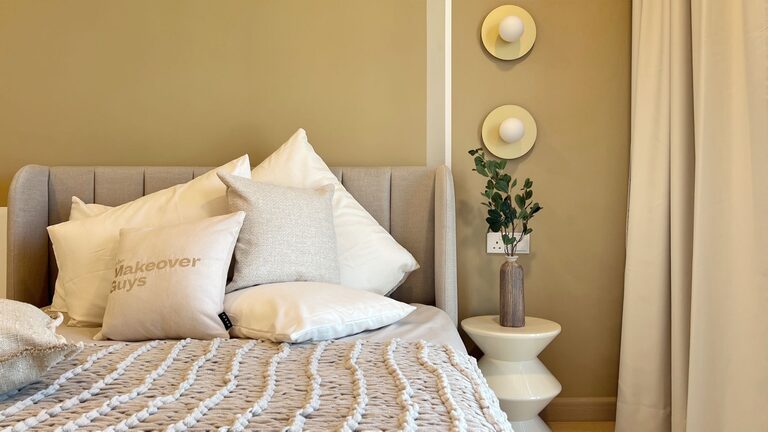
A bedroom refresh does not require a complete renovation or a large shopping budget. Small changes can make the space feel cleaner, brighter, and more comfortable. By focusing on the details that have the greatest visual impact, you can create a welcoming room without replacing everything.
The key is to plan before you buy. Decide what you want to improve, reuse what you already own, and spend money only on items that add real comfort or style.
Start With a Clear Plan
Before moving furniture or shopping for decor, take a close look at your bedroom. Consider what feels outdated, crowded, or unfinished.
Ask yourself:
– Does the room need better storage?
– Is the lighting too dark or harsh?
– Would a new color scheme make the space feel fresher?
– Is the furniture arranged in the most useful way?
– Which items do you truly need to replace?
Choose one or two main goals for your refresh. For example, you might want to create a calmer color scheme and improve organization. A focused plan helps prevent impulse purchases and keeps the project affordable.
It can also help to set a spending limit. Divide your budget into categories such as bedding, lighting, storage, and decor. Leave a small amount for unexpected needs, such as hardware or paint supplies.
Declutter Before You Decorate
One of the least expensive ways to improve a bedroom is to remove items you no longer use. A tidy room often looks larger and feels more relaxing.
Begin with visible surfaces, including:
– Nightstands
– Dressers
– Shelves
– Window areas
– The floor around the bed
Sort items into three groups: keep, donate, and recycle or discard. Try to keep only useful or meaningful pieces on display. Store everyday items in baskets, boxes, or drawers instead of leaving them in open view.
Do not forget the space under the bed. Use low storage containers for seasonal clothing, extra linens, or shoes. If you do not have containers, sturdy boxes can work as a temporary solution. Covering them with fabric or decorative paper can make them look more polished.
Rearrange the Furniture
A new furniture layout can make the bedroom feel completely different without costing anything. Start by identifying the natural focal point, which is often the bed. Position it so the room feels balanced and easy to move through.
Keep pathways clear, especially between the bed, door, closet, and windows. If possible, place nightstands or small tables on both sides of the bed for a more balanced appearance. However, matching pieces are not required. Two different tables can look intentional if they have similar colors, heights, or shapes.
Try a few arrangements before settling on one. You can use a measuring tape or mark furniture positions with removable tape. This helps you avoid unnecessary lifting and makes it easier to compare layouts.
If the room feels crowded, remove one small piece of furniture. A less crowded bedroom can feel more comfortable than a room filled with extra storage or decor.
Refresh the Bedding
Bedding has a major effect on the overall look of a bedroom. You do not need to replace the entire set. Instead, update one or two layers.
Affordable options include:
– A new duvet cover
– Two decorative pillow covers
– A lightweight throw blanket
– A fitted sheet in a fresh color
– A washable bedspread
Choose colors that work with items you already own. Neutral bedding can be refreshed with colorful pillows, while patterned bedding may look best with simple solid-colored accents.
Layering also makes a bed look more inviting. Fold a blanket across the bottom third of the bed and arrange pillows in a simple row. Keep the arrangement practical so it is easy to put away at night.
Before buying anything, wash and neatly fold your current bedding. Sometimes the room looks refreshed simply because the bed is clean, smooth, and well arranged.
Use Paint Carefully
Paint can create a noticeable change, but you do not have to paint every wall. A single accent wall behind the bed may be enough to give the room a new identity.
You can also use paint to update smaller items, such as:
– A wooden nightstand
– A picture frame
– A small shelf
– A mirror frame
– A simple stool
Choose a color that complements your existing furniture and flooring. Soft neutrals, muted greens, warm blues, and gentle earth tones can help create a comfortable atmosphere. Always test a small area first, since paint can look different under natural and artificial light.
If painting is not practical, consider removable wallpaper, peel-and-stick decals, or fabric panels. Use these options sparingly to keep the room from feeling too busy.
Improve the Lighting
Good lighting can make a bedroom feel warmer and more useful. Start by making the most of natural light. Keep windows clean and use curtains that let in daylight when privacy allows.
For evening lighting, combine more than one source:
– A bedside lamp for reading
– A ceiling light for general use
– A small lamp or string of lights for a softer glow
Replacing a lampshade can be less expensive than buying a new lamp. You can also update a plain lamp base with paint or place it on a small stack of books for added height.
Use warm, comfortable light in areas where you want a relaxed feeling. Avoid relying on one bright overhead light, which can make the room feel less welcoming.
Add Affordable Decor
A few carefully chosen decorative pieces can make the room feel finished. Look around your home first. Items from another room may work well in the bedroom after a simple rearrangement.
Consider adding:
– A framed print or personal photograph
– A small plant
– A woven basket
– A decorative tray
– A mirror
– A soft area rug
– A vase with dried flowers
Create a simple display on a dresser or nightstand by combining items of different heights. For example, place a small lamp next to a framed picture and a low tray. Leave some empty space so the arrangement does not look crowded.
Mirrors can make a small room feel brighter and more open. Place one where it can reflect natural light, but avoid adding too many, which may make the space feel visually busy.
Try Simple DIY Projects
Do-it-yourself updates can add personality while keeping costs low. Choose projects that use materials you already have or can find inexpensively.
You could:
– Make a fabric-covered bulletin board
– Turn a wooden crate into a bedside table
– Create artwork from wrapping paper
– Add new handles to a dresser
– Sew or tie simple pillow covers
– Frame pages from an old calendar
– Use a ladder to display blankets
Keep DIY projects simple and practical. A small improvement that you finish is more valuable than an ambitious project that remains incomplete.
When reusing furniture, clean and inspect each piece first. Make sure it is stable and safe before bringing it into daily use.
Finish With Small Details
Once the main changes are complete, focus on the details that improve comfort. Wash curtains, dust light fixtures, clean mirrors, and vacuum hard-to-reach areas. These tasks are free but can make the bedroom feel noticeably fresher.
Add a small basket for laundry, a hook for clothing, or a tray for everyday items. These additions help maintain the tidy look you worked to create.
Finally, avoid trying to change everything at once. Live with the updated room for a few days before buying more decor. You may discover that the space already feels complete.
A budget-friendly bedroom refresh is about making thoughtful changes, not purchasing a long list of new products. With a little planning, careful editing, and creative reuse, you can create a room that feels comfortable, organized, and personal.