

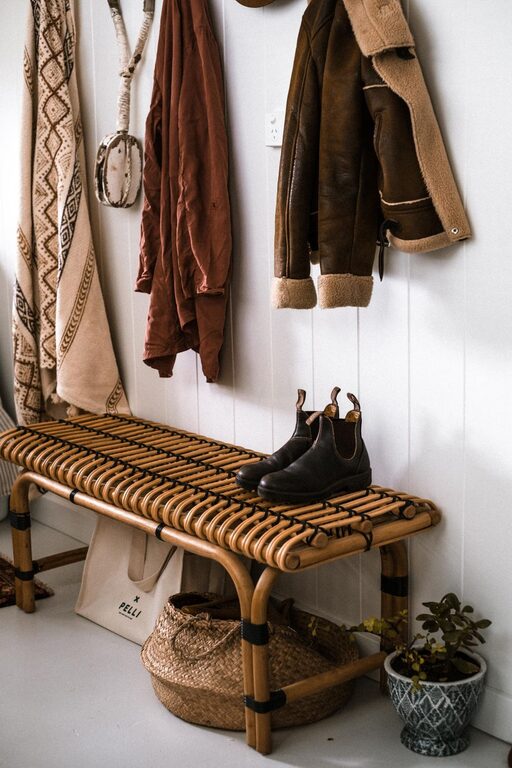
Your entryway is the first area you see when you come home and the first space guests notice when they arrive. It also handles a surprising amount of daily traffic, from shoes and coats to bags, keys, mail, and sports equipment. Without a simple system, clutter can build up quickly.
The good news is that an organized entryway does not require a large budget or a spacious home. With a few practical changes, you can create a welcoming area that makes leaving and returning home easier.
Start by Clearing the Area
Before adding storage, remove everything from the entryway. Place coats, shoes, bags, and other items in a nearby room so you can look at the space clearly.
Sort each item into three groups:
– Keep in the entryway
– Move to another room
– Donate, recycle, or discard
Be selective about what belongs near the door. The entryway should hold items you use often, not everything that happens to collect there. Seasonal coats, formal shoes, and rarely used accessories may be better stored in a closet or bedroom.
Once the area is clear, clean the floor, wipe down surfaces, and remove dust from corners. Starting with a clean space makes it easier to plan an effective setup.
Choose a Storage System That Fits Your Space
The best entryway storage system is one that matches the size of your home and your daily routine. A large hall may accommodate several pieces of furniture, while a small apartment may need compact, vertical solutions.
Use Hooks for Everyday Items
Hooks are one of the easiest ways to organize an entryway. Install a row of wall hooks for coats, jackets, hats, scarves, and reusable bags.
Place hooks at a comfortable height for the people who use them most. If children use the entryway, add a lower row so they can hang their own coats and bags.
Avoid filling every hook. Leaving a little open space makes the area look tidier and gives you room to add an item when needed.
Add a Bench or Small Seat
A bench provides a convenient place to sit while putting on or removing shoes. Look for a narrow design if floor space is limited.
A bench with built-in storage can serve two purposes. Use the space underneath for shoes, baskets, umbrellas, or seasonal accessories. If you already have a bench, slide a few labeled baskets underneath it to create affordable storage.
Keep the bench surface mostly clear. A small cushion or one decorative item can make it inviting without turning it into another cluttered zone.
Make Use of Vertical Space
When floor space is limited, look upward. Wall-mounted shelves, pegboards, and tall cabinets can provide useful storage without taking up much room.
A narrow shelf can hold keys, sunglasses, and small accessories. A pegboard can be adjusted as your needs change, while a tall cabinet can store coats, cleaning supplies, or items that should remain out of sight.
Use the lower areas for frequently used items and higher shelves for things you need less often. This arrangement keeps daily essentials easy to reach.
Create a Dedicated Place for Small Items
Small objects are often the source of entryway clutter. Keys, wallets, headphones, and mail can quickly cover a table or shelf unless they have assigned places.
Set up a small drop zone near the door. This could include:
– A tray for keys and wallets
– A bowl for loose change
– A container for sunglasses
– A wall organizer for mail
– A small hook for headphones or dog leashes
Choose containers that are easy to access. If the system takes too much effort to use, items are more likely to end up on the floor or furniture.
You can also assign one container to each household member. Personalized baskets or bins make it easier for everyone to keep track of their own belongings.
Organize Shoes by Frequency of Use
Shoes can make an entryway look messy, especially when several pairs are left near the door. Start by limiting the area to shoes used regularly.
A shoe rack, cabinet, or set of baskets can keep footwear contained. Open racks make it easy to see what you have, while closed cabinets create a cleaner appearance. Baskets work well for slippers, sandals, or children’s shoes.
Consider using a simple rule: each person keeps only one or two pairs in the entryway. Store the rest in a closet or bedroom. This reduces visual clutter and makes cleaning the floor easier.
Place a washable mat near the door to catch dirt and moisture. Shake it out regularly, and choose a design that suits the amount of traffic your entryway receives.
Set Up a Mail and Paper Routine
Mail can quickly turn into a pile of papers, receipts, and advertisements. Create a designated spot for incoming mail so it does not spread across the entryway or kitchen counter.
A wall-mounted file holder can separate mail by category. You might use sections labeled:
– To sort
– To respond
– To file
– To recycle
Try to review incoming mail at least once or twice a week. Recycle unwanted items right away and move important papers to the place where you normally handle them. The goal is to keep the entryway as a temporary drop zone, not a long-term storage area.
Use Labels and Simple Categories
Labels are especially useful when an entryway has several baskets, bins, or shelves. Clear labels help everyone return items to the correct location.
Keep categories broad and practical. For example, use labels such as:
– Hats and gloves
– Pet items
– School items
– Outdoor gear
– Reusable bags
Avoid creating too many categories. A storage system with five clear groups is easier to maintain than one with fifteen detailed sections.
If you prefer a cleaner look, use matching baskets without visible labels. Just make sure everyone in the household knows what each container is for.
Keep the Decor Simple
An organized entryway can still feel warm and personal. Add a mirror, a small plant, artwork, or a decorative bowl to make the space more welcoming.
A mirror can make a narrow entryway feel brighter and gives you a convenient place to check your appearance before leaving. A plant adds color, while a piece of wall art can bring personality to an otherwise practical space.
Limit decorative items to a few carefully chosen pieces. Too much decor can reduce the storage space and make the entryway feel crowded.
Choose durable materials that are easy to clean. Entryways often collect dirt, moisture, and fingerprints, so practical finishes are usually better than delicate ones.
Build a Daily Reset Habit
Even the best storage system needs regular attention. A quick daily reset can prevent small messes from becoming a larger project.
At the end of the day, take a few minutes to:
- Return shoes to their rack or basket.
- Hang coats and bags on their hooks.
- Move mail to its assigned location.
- Remove items that belong in other rooms.
- Wipe up dirt or moisture near the door.
Encourage everyone in the household to participate. When each person handles their own items, the entryway stays organized with less effort.
Reassess the Space Each Season
Your entryway needs may change throughout the year. Winter may require more space for coats and boots, while summer may call for storage for hats, sandals, and outdoor gear.
At the start of each season, remove items you will not use for several months. Clean and store them properly, then bring forward the items you use most often.
This seasonal rotation keeps the entryway from becoming overcrowded. It also gives you a regular opportunity to check whether your storage system still works.
Make Organization Easy to Maintain
The most successful entryway systems are simple enough to use every day. Storage should be easy to reach, clearly arranged, and suited to your household’s routines.
Start with one improvement, such as adding hooks or creating a shoe area. Once that habit becomes natural, add another feature if needed. Small changes can make a noticeable difference.
With a clear drop zone, practical storage, and a short daily reset, your entryway can stay tidy, functional, and welcoming without requiring constant cleaning.